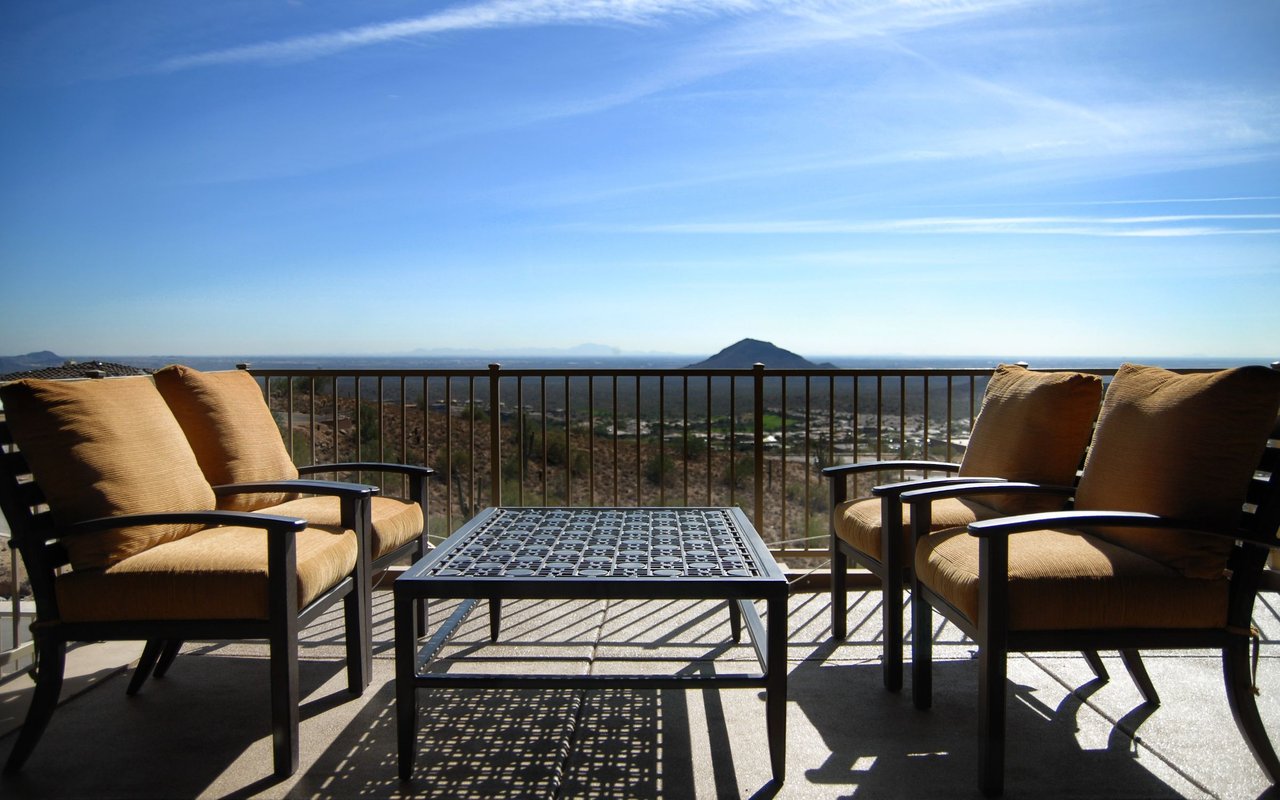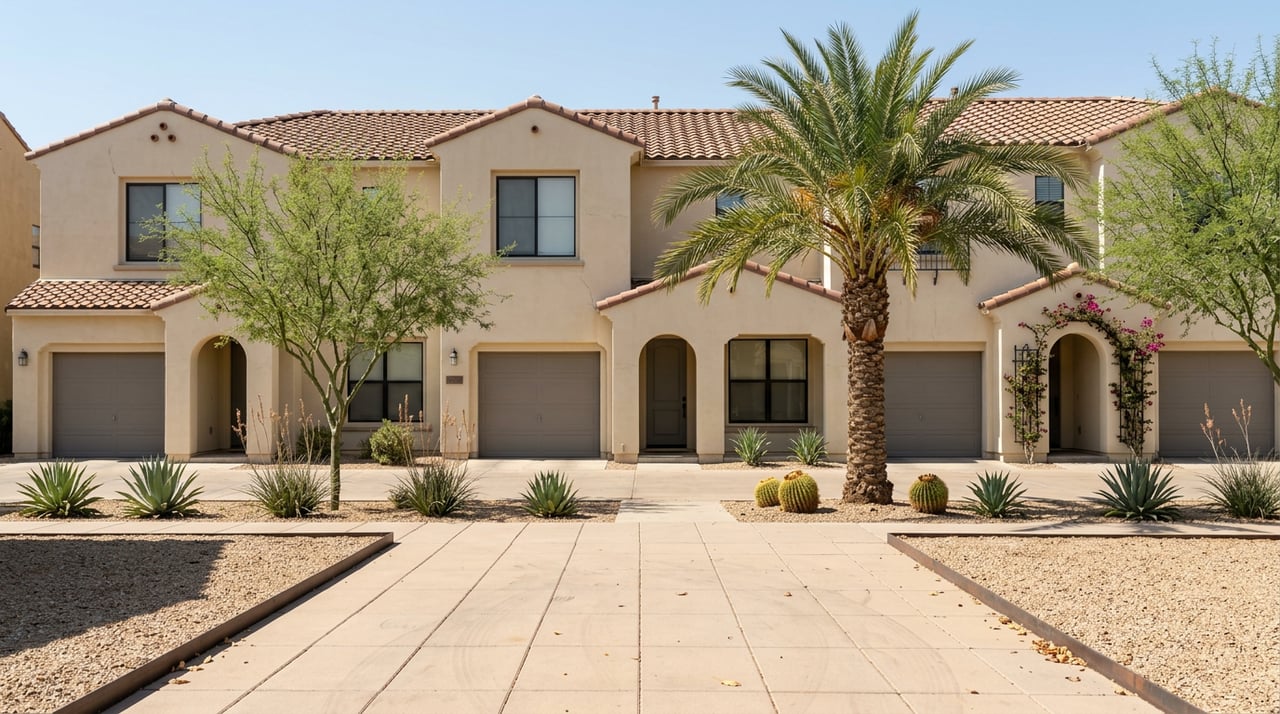
Thinking about buying in a Scottsdale HOA community? The right neighborhood can give you resort-style perks, neat streets, and strong resale value, but the rules and fees can surprise you if you do not know what to look for. You want clear expectations, fair costs, and confidence that your plans fit the HOA’s rules. In this guide, you will learn how Arizona law protects you, what is in the resale packet, how short-term rentals work in Scottsdale, and the key red flags to check before you waive contingencies. Let’s dive in.
How Scottsdale HOAs work under Arizona law
The resale packet you are entitled to
Under Arizona law, you are entitled to a defined resale disclosure packet when you buy in a planned community or condo. It must include governing documents, the current budget, the latest annual financial report, any reserve study, a summary of pending litigation, and a dated statement showing the unit’s assessment status and fees. Associations can charge up to a capped amount for preparing this packet. You can review the full list of required items in A.R.S. § 33-1806, which also covers fee caps and timing for delivery (see statute).
Your records access rights
As an owner after closing, you or your designated representative have a right to examine the association’s financial and other records. The HOA must make records reasonably available and respond within 10 business days of your request. This protects your ability to verify budgets, contracts, and major project planning. The timeline and scope are set in A.R.S. § 33-1805 (records access).
Fines and fee limits
Before an HOA can impose penalties for a rule violation, it must give you notice and an opportunity to be heard. Arizona law also caps certain late fees and limits how penalties are applied. Importantly, there is a statutory limit on increases to regular assessments without owner approval. You can review the notice and assessment rules in A.R.S. § 33-1803 (enforcement and assessment limits).
Liens and foreclosure reality
If assessments go unpaid, the HOA can record a lien for common expenses under A.R.S. § 33-1807. The law sets thresholds and procedures for when foreclosure may occur, and it includes required notices and protections. The takeaway is simple: treat HOA assessments like a mortgage payment. Review lien and foreclosure rules in A.R.S. § 33-1807 (lien guidance).
Solar rights inside HOAs
Arizona protects your right to install solar energy devices, while allowing HOAs to set reasonable placement rules that do not block or unreasonably impair a system. If an association violates the law, a prevailing homeowner may recover attorney fees. If solar is part of your plan, read the CC&Rs and the design guidelines, and see A.R.S. § 33-1816 for the exact protections (solar statute).
Short-term rentals in Scottsdale HOAs
City licensing basics
Scottsdale requires short-term or vacation rental operators to obtain a city license, provide a local emergency contact, meet insurance minimums, and follow display and occupancy rules. The city also offers a Good Neighbor guide and a public lookup for licensed properties. If you plan to host, start with the City of Scottsdale’s vacation and short-term rental rules (licensing page).
HOA CC&Rs still rule
Arizona law limits how far a city can restrict short-term rentals, but HOAs can still set rental rules in their recorded CC&Rs. In practice, you must confirm both the city’s licensing requirements and the HOA’s rules, including any minimum lease terms or rental caps. City rules do not override private CC&R restrictions. For the state’s framework on municipal limits, see A.R.S. § 9-500.39 and related materials (legislative text).
What dues cover and typical ranges
What your dues usually pay for
In Scottsdale communities, HOA dues often cover daily operations such as management, landscaping and irrigation, pool and clubhouse upkeep, common utilities, and sometimes security in gated neighborhoods. The master insurance policy for buildings and common areas is also paid from dues, but you still need your own unit policy. Strong reserves fund big-ticket items like roof work, paving, and pool systems when they reach the end of their useful life. Review the budget, insurance declarations, and any reserve study to see how costs are managed (CAI overview on insurance and reserves).
Typical HOA fee ranges
Dues vary widely by property type and amenities. As a general market guide, single-family planned communities often fall around the low-to-mid hundreds per month, townhomes are often in the mid-hundreds, and condos with more amenities can be higher. These are illustrative market ranges, not quotes for any one property. For context on why condos tend to carry higher dues than single-family homes, see this national breakdown by community type (average HOA dues by type). Always confirm the exact amount in the property’s resale packet.
Special assessments and transfer fees
Special assessments are one-time charges used when reserves are not enough to cover a major repair or insurance shortfall. You can spot risk by reading recent board minutes, the reserve study, and the insurance declarations page. Arizona also caps what an association can charge for the resale disclosure and estoppel work, and it limits when those fees can be collected. Review fee caps and allowed timing in A.R.S. § 33-1806 (resale disclosures and fees).
The must-review documents before you waive contingencies
You will receive, or can request, several key items. Read them closely and ask questions.
- Governing documents: CC&Rs, bylaws, rules and regulations. Look for use restrictions, rental rules, approval processes, and how amendments are made. These are part of the resale packet required by A.R.S. § 33-1806.
- Budget and latest annual financial report: Scan line items for insurance, management, utilities, and reserve contributions. Compare contributions to any reserve study.
- Reserve study and current reserve balance: A recent study with low funding is a red flag for future special assessments. The CAI resource linked above explains why reserves matter.
- Certificate of insurance and deductibles: Check coverage levels and deductibles on the master policy. Large deductibles can shift costs to owners after a loss.
- Litigation summary: The resale packet must summarize pending lawsuits that could affect finances or lending. Material litigation can impact your ability to finance or resell.
- Estoppel/resale statement: Verify the unit’s balance, any transfer or disclosure fees, and any approved special assessments.
- Recent meeting minutes: Read the last 6 to 12 months for signals about planned projects, vendor disputes, or rule changes.
Financing and lender checks for condos and HOAs
Many lenders need the project itself to meet certain standards, especially for condos. Lenders look at reserve funding, owner-occupancy, insurance, delinquency rates, and litigation. If a project does not meet standards, it may be considered non-warrantable, which can limit loan options or raise costs. You can see what underwriters review in Fannie Mae’s project standards (Full Review overview).
Ask your lender to start the condo questionnaire or project check as soon as you go under contract. This helps flag issues like low reserves or pending construction-defect cases early. It also gives you time to use your HOA-document review contingency to renegotiate or cancel if needed.
Lifestyle tradeoffs to consider
- Exterior changes: Many communities require architectural approval for paint colors, windows, and roof or solar placement. Arizona law protects your right to add solar with reasonable rules, so review both the statute and your design guidelines.
- Landscaping and water use: Xeriscaping standards and irrigation practices can shape your yard plan and maintenance costs. Read the rules so your plans line up with the community’s look and water policies.
- Parking and vehicles: Some HOAs limit street or driveway parking, RVs, and boats. Ask whether streets are public or private, because enforcement power can differ.
- Pets, noise, and nuisance: Expect quiet hours and basic nuisance rules. If you plan to host guests regularly, make sure those plans fit the rules and your neighbors’ expectations.
The right HOA can make daily life easier by keeping amenities in good shape and the neighborhood consistent. The tradeoff is less flexibility on personal choices like colors, parking, or rentals. Decide what balance fits you best.
Red flags to watch
- No reserve study or reserves far below the study’s plan. This raises the chance of special assessments.
- Recent or frequent special assessments within the past few years. Read minutes and budgets to see if more are likely.
- Pending construction-defect or major litigation listed in the resale packet. Lenders and buyers worry about cost and risk.
- Master insurance gaps or very large deductibles. Ask for the declarations page and verify coverage details.
- High delinquency among owners. This strains cash flow and can flag lender concerns.
- Non-warrantable condo status. If the project does not meet common lending standards, your loan options may narrow.
A quick pre-offer checklist
Use this short list to stay ahead of surprises.
- Ask for the resale/estoppel packet right after you go under contract. Confirm assessments, special assessments, fee caps, and delivery timing under A.R.S. § 33-1806.
- Read the CC&Rs and rules for rental limits, pet rules, parking, and exterior approvals. If you plan to host, check Scottsdale’s STR licensing rules and the HOA’s rental terms.
- Review the budget, annual report, reserve study, and current reserve balance. Compare contributions to the study’s plan.
- Check the master insurance declarations and deductibles. Ask how loss assessments are handled.
- Scan the litigation summary and recent minutes for big projects, disputes, or policy changes.
- Ask your lender to run the condo/HOA project review early to confirm warrantability and documentation needs.
- Negotiate an HOA-document review contingency period so you can cancel or renegotiate if material issues come up.
How Rebecca Smith Real Estate helps
You do not have to decode HOA documents alone. We help you order and review the resale packet, translate budgets and reserves into plain English, and surface lender red flags early. We also coordinate with your lender, title, and the HOA manager so you have clear answers during your contingency window. If you want a steady, friendly guide who treats you like a neighbor and keeps the process calm and clear, reach out to Rebecca Smith Real Estate.
FAQs
What is in an Arizona HOA resale packet for Scottsdale buyers?
- It includes CC&Rs, bylaws, rules, the current budget and latest annual financial report, any reserve study, a litigation summary, and a dated statement of assessments and fees, with fees for the packet capped by statute.
Are short-term rentals allowed in Scottsdale HOA communities?
- Scottsdale requires a city STR license, but the HOA’s CC&Rs may set minimum lease terms or ban STRs; city licensing does not override private CC&R restrictions, so you must confirm both.
How much are typical HOA dues in Scottsdale?
- Dues vary by property type and amenities; single-family communities often run in the low-to-mid hundreds per month, townhomes in the mid-hundreds, and amenity-rich condos higher; always verify the exact amount in the resale packet.
Can an HOA in Scottsdale foreclose for unpaid dues?
- Yes, Arizona law allows a lien for common expenses and sets procedures and thresholds for foreclosure; treat HOA dues like a critical monthly bill and resolve issues early.
Will a condo’s HOA status affect my mortgage approval?
- Yes, lenders review the project for reserves, insurance, occupancy, delinquency, and litigation; if it fails, it may be non-warrantable, which can limit loan choices or raise costs.