Trying to figure out where in Tempe you will feel most at home? When you are relocating or short on time, picking the right neighborhood can feel like guesswork. You want a place that matches your lifestyle, fits your preferred home type, and keeps your commute manageable. This guide compares Downtown and Mill Avenue, the Tempe Town Lake corridor, and South Tempe so you can narrow your search with confidence. You will also get tips on HOAs and a step-by-step plan for buying remotely. Let’s dive in.
How to choose your Tempe fit
Start with four questions to guide your search:
- What daily vibe do you want? Urban energy with shops and nightlife, lakeside recreation, or quiet residential streets.
- Which home type suits you? Condo or loft, townhome, or single-family with a yard.
- How will you commute? Consider ASU, Downtown Phoenix, Scottsdale, Sky Harbor, and local Tempe tech hubs.
- How do you feel about HOAs and amenities? Decide your comfort level with monthly fees, building amenities, and community rules.
Keep your short list focused by combining lifestyle with home type. For example, if you want walkability and low-maintenance living, condos near Mill Avenue or Town Lake are strong options. If you want more space and a yard, South Tempe usually offers more single-family choices. For commute planning, check live route times with your mapping app during your typical rush hour.
Downtown and Mill Avenue: urban and walkable
Lifestyle snapshot
In the heart of Tempe, you will find a dense, walkable core with restaurants, bars, venues, and frequent events. Proximity to Arizona State University brings a younger crowd and high activity, especially on evenings and weekends. This area suits you if you value walkability and being close to everything.
Homes you will find
You will see a range of condos and lofts in mid to high-rise and low-rise buildings, plus some townhomes and small detached homes on the edges. Larger single-family homes are limited inside the core. Many buildings blend residential with mixed-use retail and dining.
HOAs and amenities
Condo HOAs typically cover shared amenities such as a pool, fitness center, landscaped common areas, and sometimes gated entry or on-site management. Fees vary based on building age, amenities, and reserve needs. Ask for HOA bylaws, budgets, and meeting minutes to understand rules, reserves, and any upcoming assessments.
Commute and transit
You will have quick access to the Valley Metro Light Rail and frequent bus routes, which makes getting to ASU or into Phoenix and Mesa straightforward. Driving to I-10 or Loop 202 is feasible, though parking and rush hour congestion can be considerations. For short hops, walking, biking, or scooters often beat the car.
Quick pros and cons
- Pros: Exceptional walkability, vibrant nightlife and dining, very short commute to ASU and central Tempe.
- Cons: Higher activity and noise in the evenings, smaller living spaces, HOAs add to monthly costs.
Tempe Town Lake corridor: recreation and views
Lifestyle snapshot
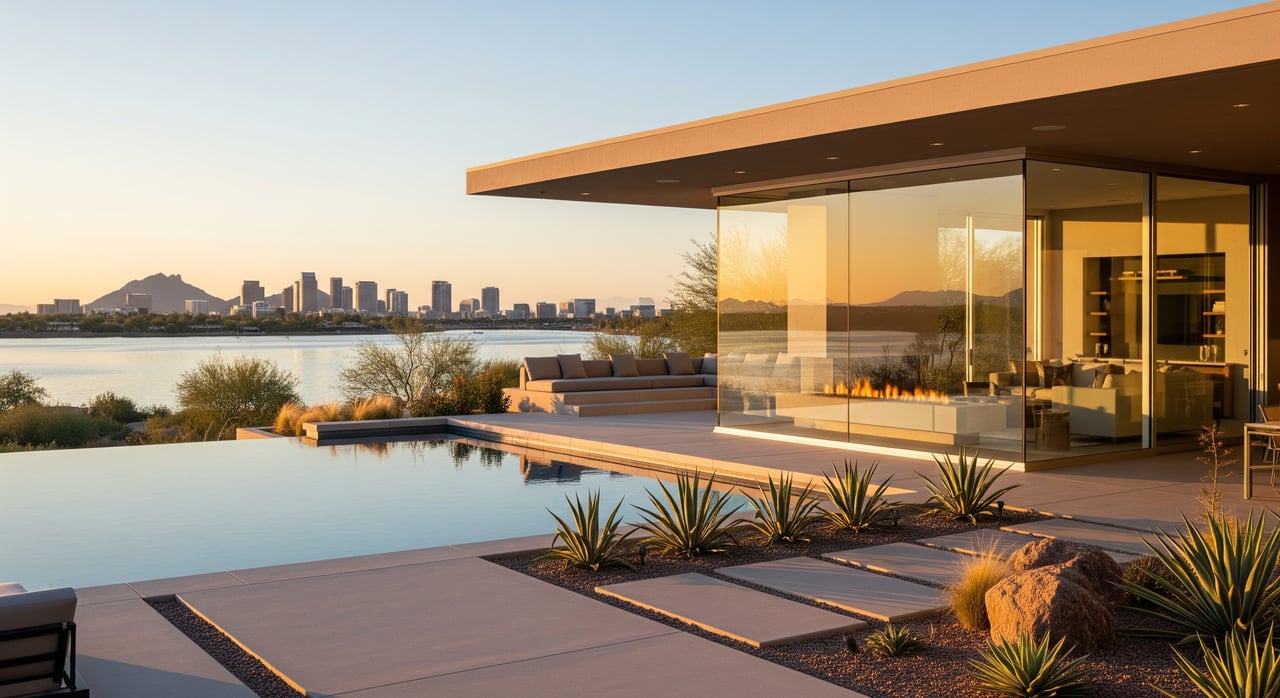
The Town Lake corridor offers a scenic trail system, parks, and outdoor recreation like walking, biking, and kayaking. It blends an urban feel with residential pockets and attracts a balanced mix of professionals, families, and retirees. Choose this area if you want access to outdoor amenities within city limits.
Homes you will find
Expect mid-rise condos and luxury apartments facing the water, plus townhomes and nearby single-family blocks. You will also see newer infill and redevelopment projects along the corridor. Lake views and immediate trail access often add a premium.
HOAs and amenities
Lakefront and near-lake buildings tend to have higher HOA fees due to shared recreational spaces, extensive landscaping, security, and building maintenance. Concierge-style services, gated parking, and private storage may be offered in some developments. Review the HOA’s reserve studies and any mention of special assessments, especially for waterfront properties.
Commute and transit
You will have good access to the light rail at Mill and 3rd area stations and to main roads for quick connections. The bicycle infrastructure around the lake is strong, which makes micromobility a practical commute option.
Quick pros and cons
- Pros: Immediate outdoor recreation, scenic views, and a balanced urban-residential setting.
- Cons: Price premiums for lake proximity, higher HOA fees, potential for special assessments in some communities.
South Tempe: space and a quieter pace
Lifestyle snapshot
South Tempe is predominantly residential and suburban, with larger lots and quieter streets. You will find established neighborhoods and services, plus a more vehicle-dependent lifestyle than the urban core. If you value elbow room and a calmer pace, this is a strong fit.
Homes you will find
The area offers a wide mix: older ranch and mid-century homes, newer tract homes, townhomes, and ongoing infill or replace-builds in certain pockets. Mid-rise condos are less common. You will see more options for yards and garages here.
HOAs and amenities
Many single-family neighborhoods do not have HOAs. Where HOAs are present, fees often support landscaping, pools, and common areas. On average, HOA costs tend to be lower than in downtown condo buildings, though community amenities can increase fees. Always confirm what is included.
Commute and transit
Most residents drive. Depending on exact location, you will use US-60, Loop 202, and SR-143 to reach ASU, Downtown Phoenix, or the airport. Bus service exists but is less frequent than in central Tempe. Commute times can be longer to downtown employment hubs, though some south and southeast destinations may be quicker.
Quick pros and cons
- Pros: More space and yard options, quieter streets, a broad mix of single-family homes.
- Cons: Greater car dependence and potentially longer commutes to Phoenix or Scottsdale.
Commute and transit basics in Tempe
Tempe’s central neighborhoods give you shorter trips to ASU and downtown Tempe, but traffic still fluctuates with events and peak hours. The Valley Metro Light Rail connects Tempe with Phoenix and Mesa, and bus frequency is highest near downtown and campus areas. Around Tempe Town Lake, the multi-use trails and bike lanes make cycling a realistic daily option. For drivers, key routes include I-10 for west and central Phoenix, Loop 202 for regional connections, US-60 for east-west travel, and SR-143 for quick airport access. Always check commute times using your mapping app at the hours you plan to travel.
HOAs and total cost of ownership
Understanding HOA tradeoffs helps you compare neighborhoods clearly.
- What HOAs often cover: exterior maintenance, elevators, pools and spas, landscaping, and common areas. In condo buildings, the master policy may cover the building shell, while you carry an interior policy.
- Why fees vary: building type and age, amenity packages like gyms and security, insurance, and reserve funding. Waterfront settings can influence costs.
- What to read: bylaws and CCRs, budgets and reserve studies, meeting minutes, insurance summaries, and rental rules. Ask about pet policies, recent or planned special assessments, and which utilities are included.
- Property type tradeoffs:
- Condos and lofts: lower personal maintenance with higher monthly HOAs, best if you want walkability and convenience.
- Townhomes: middle ground with small yard space and moderate fees.
- Single-family homes in South Tempe: more space and control with more maintenance responsibility, often lower or no HOA.
If you are sensitive to monthly costs, compare HOA line items alongside your mortgage, insurance, and utility estimates. For older condo buildings, review reserve health and any history of assessments before you write an offer.
A remote buyer game plan that works
Buying from out of state is common in Tempe. You can complete most steps remotely with the right process and team. Here is a simple plan to reduce risk and keep decisions clear.
Virtual tours that bring homes to life
Use live guided video tours for quick Q and A and to capture neighborhood context like street noise, parking, and views. Ask for pre-recorded narrated walkthroughs with a floor plan overlay so you can revisit the layout later. 3D tours add helpful spatial awareness, and drone footage can show lot lines, lake proximity, and surrounding rooftops when allowed.
Inspection and reporting for clarity
Schedule a local inspector who can stream key findings during the appointment. Request a detailed report with photos and videos, and add specialized inspections for roof, pool, HVAC, or pests if needed. If you cannot be on site, negotiate repairs or consider escrow holdbacks to protect your interests.
Remote closing details
Work with a title and escrow team experienced in remote signings and out-of-state buyers. Typical tools include e-signatures for non-notarized documents and either remote online notarization or a mobile notary for items that need notarization, based on what your title company supports. Confirm wire instructions by phone using a verified number from the title company’s official website, and use two-factor verification for funds transfers.
Remote buyer checklist
- Before touring: ask for floor plans, an HOA document summary, seller disclosures, recent utility bills, and any neighborhood event calendars.
- During tours: see the water heater, HVAC, electrical panel, closets and storage, garage, and a 360-degree sweep of each room and the exterior.
- After tours: review HOA rules on rentals, pets, parking, and any special assessments or reserve items in meeting minutes.
- Before closing: verify wiring details by phone, confirm your notarization method, and ensure inspection items are resolved or escrowed.
- Final walk-through: complete virtually or authorize a trusted local representative with a detailed checklist and live video.
- After closing: set up utilities, rekey and update codes, and confirm HOA account transfer and parking permits if applicable.
Ready to compare homes in person or virtually?
If you want an easy way to tour Tempe remotely, get clear on HOAs, and compare neighborhood fit side by side, you are in the right place. With a warm, education-first approach and modern virtual tools, you can make a confident move even on a tight timeline. Reach out to start a tailored search in Downtown and Mill Avenue, the Town Lake corridor, or South Tempe with support at every step. Connect with Rebecca Smith Real Estate when you are ready.
FAQs
Which Tempe neighborhood fits a short commute to ASU?
- Downtown and Mill Avenue, plus the Town Lake corridor, usually offer the shortest access to campus and central Tempe via light rail, bike, bus, or a quick drive.
How noisy is Downtown Tempe at night during ASU events?
- Expect higher evening activity and event-driven noise near Mill Avenue; if you prefer quieter nights, consider buildings set back from the core or South Tempe neighborhoods.
What do HOAs typically include for condos near Tempe Town Lake?
- Many cover exterior maintenance, amenities like pools and fitness centers, landscaped common areas, security, and building insurance for shared spaces; confirm specifics in the documents.
Are short-term rentals allowed in downtown Tempe condos?
- Rules vary by community; review the HOA’s rental policies, caps, and any short-term restrictions before you buy.
How do walkability and bike access compare across Downtown, Town Lake, and South Tempe?
- Downtown and the Town Lake corridor offer strong walkability, light rail, and bike trails, while South Tempe is more car-oriented with less frequent transit.
What should remote buyers expect during a Tempe closing?
- Plan for e-signatures, a remote notary or mobile notary if needed, verified wire instructions by phone, and clear coordination with your title and escrow team.
How does parking work in Mill Avenue and Town Lake condo communities?
- Many offer gated or assigned garage parking with specific guest rules; check HOA policies on guest passes, time limits, and any overnight restrictions.