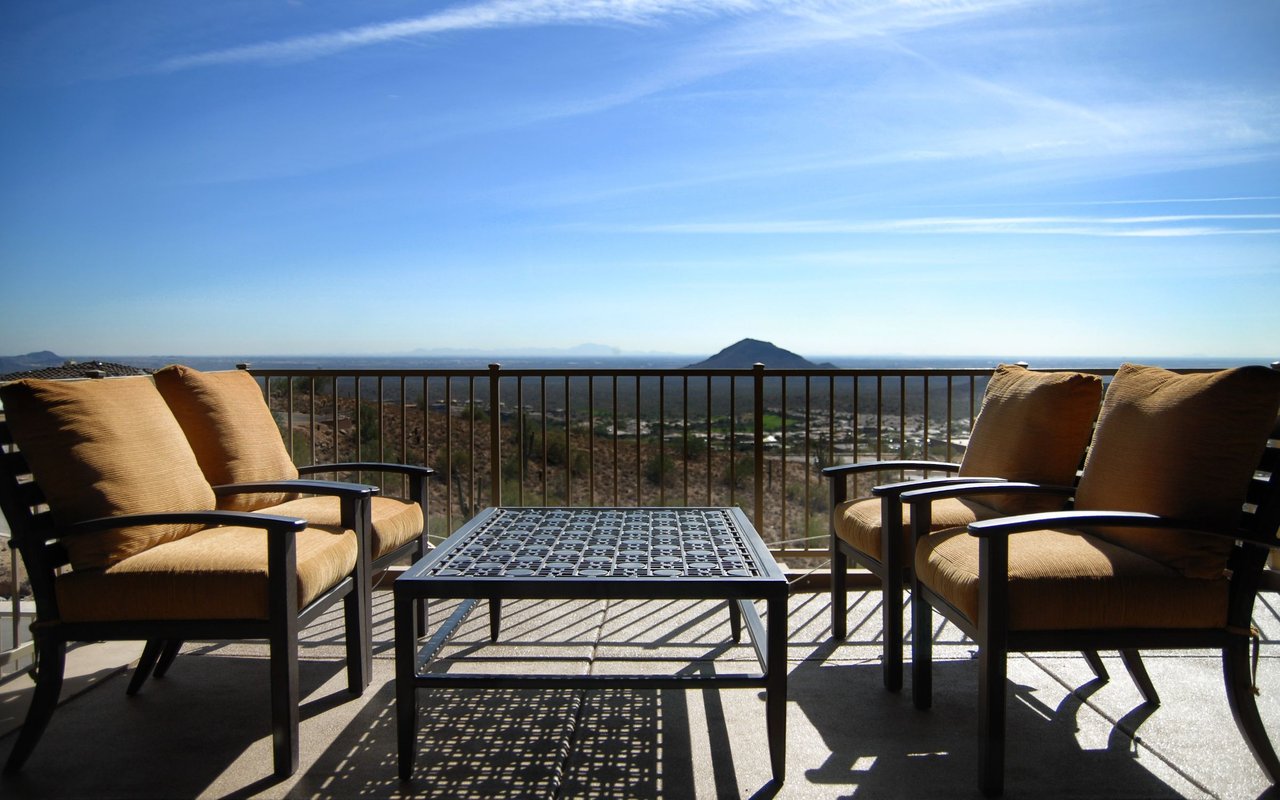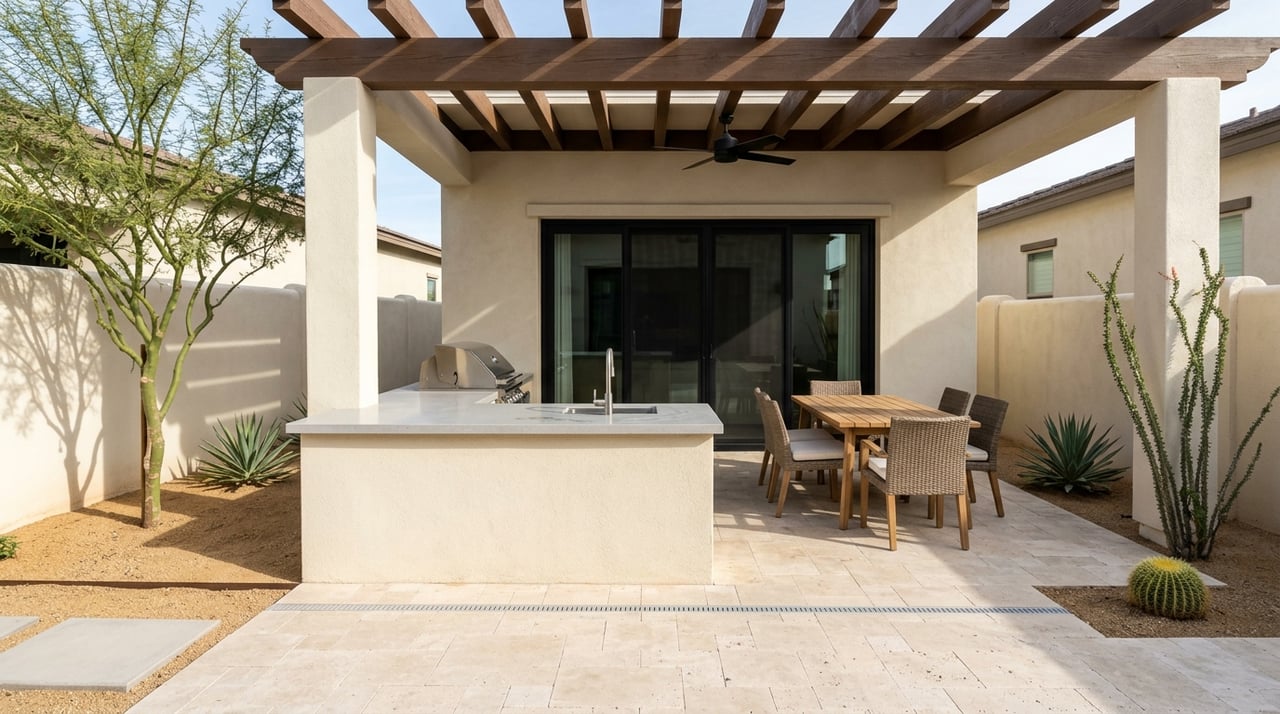
Scottsdale summers can flirt with 106°F, but your backyard does not have to. With the right mix of shade, smart irrigation, and durable materials, you can create an outdoor space you will actually use from spring through late fall. In this guide, you will learn what works in our Sonoran Desert climate, how to tap local rebates, and which upgrades add comfort and long-term value. Let’s dive in.
Scottsdale climate: design foundations
Scottsdale sits in the Sonoran Desert, which means very hot summers, intense sun, little rainfall, and a monsoon season with sudden storms. July’s normal daily high temperature is around 106°F, so every choice should aim to reduce heat and UV exposure. Plan for shade, wind, and good drainage to handle monsoon downpours. For context on local temperatures, review the National Centers for Environmental Information’s monthly normals for Phoenix Sky Harbor station data here.
Shade-first design: trees and structures
Plant shade that grows with you
Trees are your highest-value cooling tool. Properly placed trees block direct sun, cool the air through evapotranspiration, and increase privacy. In Scottsdale, good options include palo verde, mesquite, desert willow, and ironwood. Choose species and sizes that fit your lot and keep them away from pools and foundations. You can browse plant descriptions and desert-adapted choices in the AMWUA plant resource here.
Build flexible shade where you need it
Pergolas, covered patios, ramadas, shade sails, and louvered roofs deliver immediate comfort. Aim to block harsh western sun, which is the hottest in late afternoon. Motorized louvers let you welcome winter sun and increase summer shade. Layer built shade with trees and tall plantings for cooler air and softer light.
Place and orient outdoor rooms
If you can, locate your main seating and dining zones on the north or east side of your home or under a covered structure. This avoids the punishing late-day sun. Where full north or east placement is not possible, add vertical screens and trees to block low western rays. Even small orientation tweaks reduce solar gain and make spaces more usable in summer.
Surfaces that stay cooler
Hardscape choices affect comfort. Lighter-colored pavers and high-albedo finishes absorb less heat than dark ones. Permeable pavers, decomposed granite, and natural stone handle monsoon runoff well and fit the desert look. Be cautious with artificial turf. In full sun, turf surfaces can become much hotter than the air and uncomfortable for kids and pets. If you choose turf, limit the footprint, place it in shade, or research cool-infill options. For background on surface temperatures, review this summary on artificial turf heat here.
Cooling add-ons that make a difference
Misters, fans, and airflow
Evaporative misting can make patios feel noticeably cooler in dry air, especially when paired with shade and fans. Design systems to avoid soaking furniture and to limit humidity buildup. Misters feel less comfortable when monsoon humidity rises, so plan flexible use. For design nuance on evaporative cooling in arid climates, explore the science overview here. Outdoor-rated ceiling fans and portable fans are simple, energy-efficient comfort boosters.
Water features and pools
Pools and water features add lifestyle appeal and a sense of cool, but they use water. If you plan to pursue Scottsdale’s grass removal rebate, remember that pools and spas are not allowed inside the converted area. If you move forward with a pool, design for efficient circulation and use a pool cover to reduce evaporation.
Water-wise planting and irrigation
Xeriscape principles for the Sonoran Desert
A practical, low-water landscape follows a few simple steps:
- Group plants by water needs (hydrozoning).
- Choose Arizona-appropriate, low-water plants from trusted lists.
- Limit grass to areas with a clear function.
- Use drip irrigation for plants and bubblers for trees.
- Add mulch and prepare soil to protect roots and reduce evaporation.
You can find Arizona Department of Water Resources guidance on water-smart landscaping here.
Smart irrigation that saves
Pair drip irrigation with a WaterSense-labeled, weather-based smart controller to cut waste. Scottsdale has offered a residential rebate (up to $250) for qualifying smart controllers. Programs are first-come, first-served and have purchase and application date requirements, so always confirm details on the city’s rebate page here. For how smart controllers reduce outdoor water use, see the EPA WaterSense overview here.
Plant establishment and maintenance
Desert-adapted plants still need consistent irrigation while they establish, typically 2 to 3 years. Water deeply but less often as roots develop, and follow best practices for planting depth, root flare, and staking. The University of Arizona Cooperative Extension offers practical guidelines you can download here. Over time, reduce frequency to match true plant needs.
Scottsdale rebates and rules to know
Scottsdale’s single-family grass removal rebate paid $2.00 per square foot, up to $5,000, for qualifying projects. To qualify, you must schedule a pre-inspection and wait for a formal Notice to Proceed before removing grass. In converted areas, you must replace spray heads with drip irrigation. Projects over 1,000 square feet must meet minimum Arizona-friendly plant canopy coverage and follow installation and inspection steps. The city also prohibits water-intensive features in the rebate removal area, and vendor measurements are not used for rebate calculations. Review the program details and application steps in the city’s guide here. For current availability and any device or pool removal rebates, confirm the Scottsdale Water rebate page here.
Hardscape, kitchens, permits, and HOAs
Outdoor kitchens and built-in grills are Scottsdale favorites, but they often involve gas, electrical, or plumbing and typically require permits. Check your HOA CC&Rs before you change front-yard materials or visible landscaping, including gravel color, grass, and artificial turf. Choose UV-stable outdoor fabrics and finishes to resist fading and brittleness in strong Arizona sun. When you design structures, consider monsoon winds and plan secure anchoring, drainage, and water-safe lighting.
Resale: design for buyers and your bills
Many Scottsdale buyers value usable outdoor rooms with reliable shade, low-water plantings, and quality hardscapes. Pools can be a draw depending on the neighborhood, but water and maintenance costs matter. A shaded, comfortable patio with efficient irrigation and mature trees often feels more livable than a large expanse of thirsty lawn. If you are prepping to sell, consider estimating water and maintenance savings to help future buyers see long-term benefits.
Step-by-step plan to start
- Assess your site. Track sun paths, afternoon hot spots, wind, views to keep or screen, drainage, and soil.
- Check HOA rules and rebates first. Apply for Scottsdale’s grass removal rebate before any demo. A pre-inspection and Notice to Proceed are required. See the step-by-step guidance in the city’s application here.
- Hydrozones win. Separate trees, shrubs, succulents, and any limited turf into zones with similar water needs. AMWUA’s watering guide explains practical scheduling here.
- Lead with shade. Combine a well-sited pergola or cover with at least one high-value shade tree to cut radiant heat.
- Convert spray to drip. In planting areas, use drip lines and bubblers for deep, efficient watering. This is required inside Scottsdale rebate removal areas.
- Add a smart controller. If you buy a rebate-eligible model, follow the city’s purchase date and photo documentation rules. Check current program status here and learn how WaterSense controllers save water here.
- Finish with materials. Choose light, permeable hardscapes, UV-stable fabrics, and shade-friendly plants from desert-adapted lists like the AMWUA resource here.
Ready to plan a yard that stays cool, looks great, and fits Scottsdale’s water-smart future? Let’s talk about which outdoor updates will add comfort now and confidence at resale. Reach out to Rebecca Smith Real Estate to request your free home valuation and a friendly strategy chat.
FAQs
What shade trees work best for Scottsdale backyards?
- Palo verde, mesquite, desert willow, and ironwood are strong, desert-adapted choices that provide cooling shade when sited correctly, as outlined in AMWUA’s desert plant resource.
How hot does artificial turf get in Scottsdale sun?
- Artificial turf can reach surface temperatures far above the air temperature in direct sun, so limit turf areas, add shade, or explore cool infill options to improve comfort on hot days.
Do I need a permit for an outdoor kitchen in Scottsdale?
- Many outdoor kitchens involve gas, electrical, or plumbing and typically require permits; verify city requirements and coordinate with your HOA before building.
How does Scottsdale’s grass removal rebate work for homeowners?
- The program has paid $2 per square foot up to $5,000 and requires a pre-inspection, a Notice to Proceed before removing grass, drip conversion in the project area, and final inspection to qualify.
Are misters worth installing for Scottsdale summers?
- Yes in dry weather, especially when paired with shade and fans; they feel less effective during monsoon humidity, so design for flexible use and avoid soaking seating surfaces.
How should I orient a new patio for summer comfort in Scottsdale?
- Place main seating on the north or east side of the home or under a cover, and use trees or screens to block low western sun, which is the most intense in late afternoon.